Piece Picking Tutorial
Piece Picking, also known as Item Picking or Order Picking, is a process of automated order fulfillment in the logistics industry. Go to our Piece Picking page to read more about it, confirm it is your application of interest and to understand why Zivid cameras are a good fit. In piece picking applications, vision and software enable a robot to pick objects from a bin. If you want to learn how to get the maximum out of a Zivid camera for piece picking, then this tutorial is for you. This section provides practical guidance for getting the most out of a Zivid camera in piece picking deployments.
Application Requirements
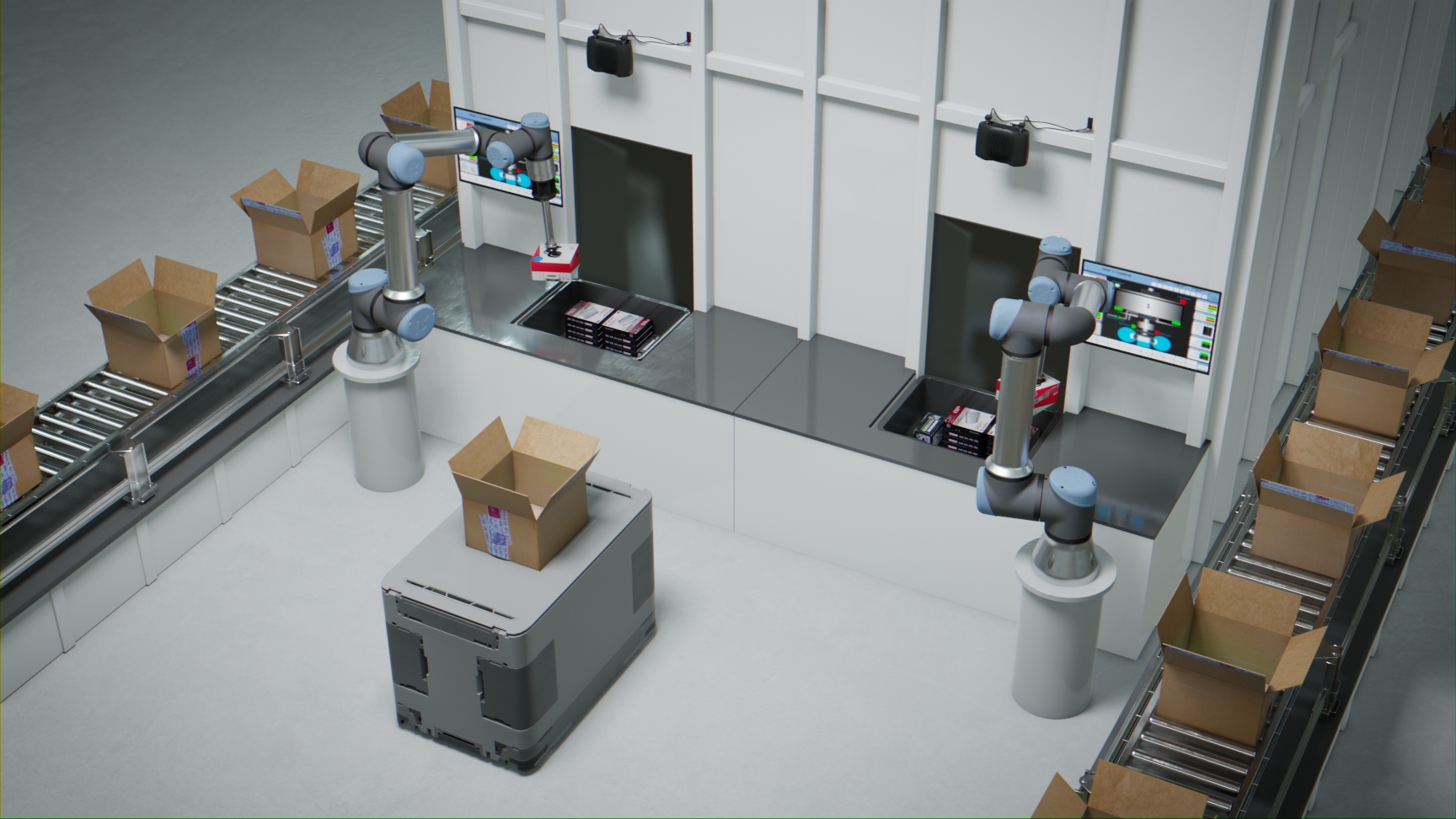
In the Application Requirements section, we provide an overview of typical scenes and objects in piece picking that are challenging for imaging and getting good 2D and 3D data. We explain which essential object features a camera needs to see to successfully detect and segment the objects of interest. We also discuss how 2D and 3D data quality is related to gripper compliance and motion planning paired with collision avoidance.
Read the full guide
Camera Selector
The section Camera Selector based on Scene Volume provides detailed guidance on which Zivid camera model to select. We cover the typical type and size of bins in the scene and important considerations for stationary and on-arm camera mounting. This includes, for example, robot clearance distance for stationary mounting and the distance between the gripper tip and the camera for on-arm mounting.
Read the full guide
Positioning Correctly
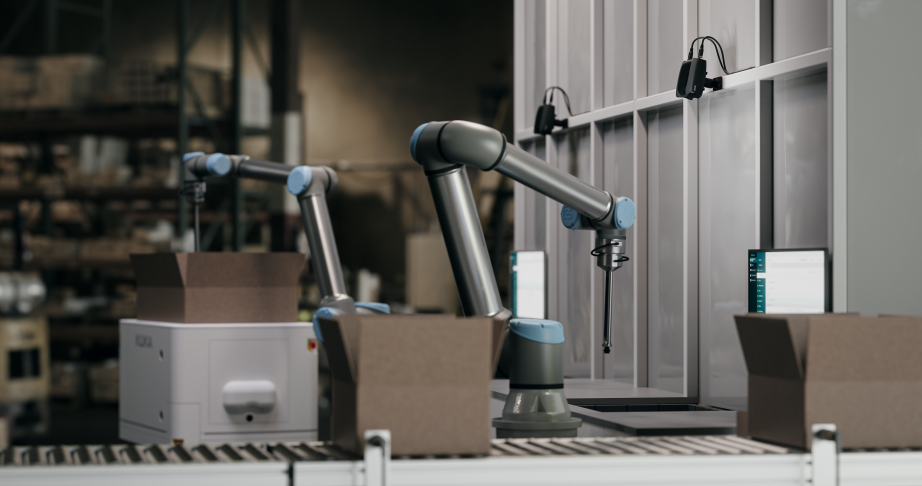
In the Positioning Correctly section, we cover the positioning of the camera for the best imaging results.
Read the full guide
2D-3D Strategy
Guided by the principle that for piece picking, both 2D color image and 3D point cloud are necessary, we have a section on 2D-3D strategy.
We explain and emphasize the pros and cons of different 2D-3D capture approaches, clarify some limitations, and explain how they affect cycle times.
Read the full guide
Settings Selector
This section provides detailed guidance on the best camera settings based on your time budget from when you trigger an acquisition until you get the point cloud. Here we also consider your PC specs because data transfer and point cloud processing depend on that as well. We address settings for 3D captures to get good point clouds and 2D captures to get good color images.
Read the full guide
Optimizing Robot Cycle Times
In this section, we explain how to optimize your robot cycles for speed by making use of multithreading. The focus is on the best practices for scheduling robot motion and capturing and processing the point cloud to get a pick pose. We cover both stationary and on-arm mounted applications.
Read the full guide
注釈
Although the video shows parcel induction, not piece picking, it demonstrates optimized robot cycle times.
Production Preparation
The following section covers machine vision processes to help you prepare your camera for production. We include camera warm-up, infield verification and correction, and color calibration, some of which we advise doing before deploying the camera, as well as hand-eye calibration, which is an essential process. We also cover downsampling, transforming, and ROI BOX filtering of the point cloud to reduce the number of points and thus reduce the processing time on your side.
Read the full guide
Maintenance
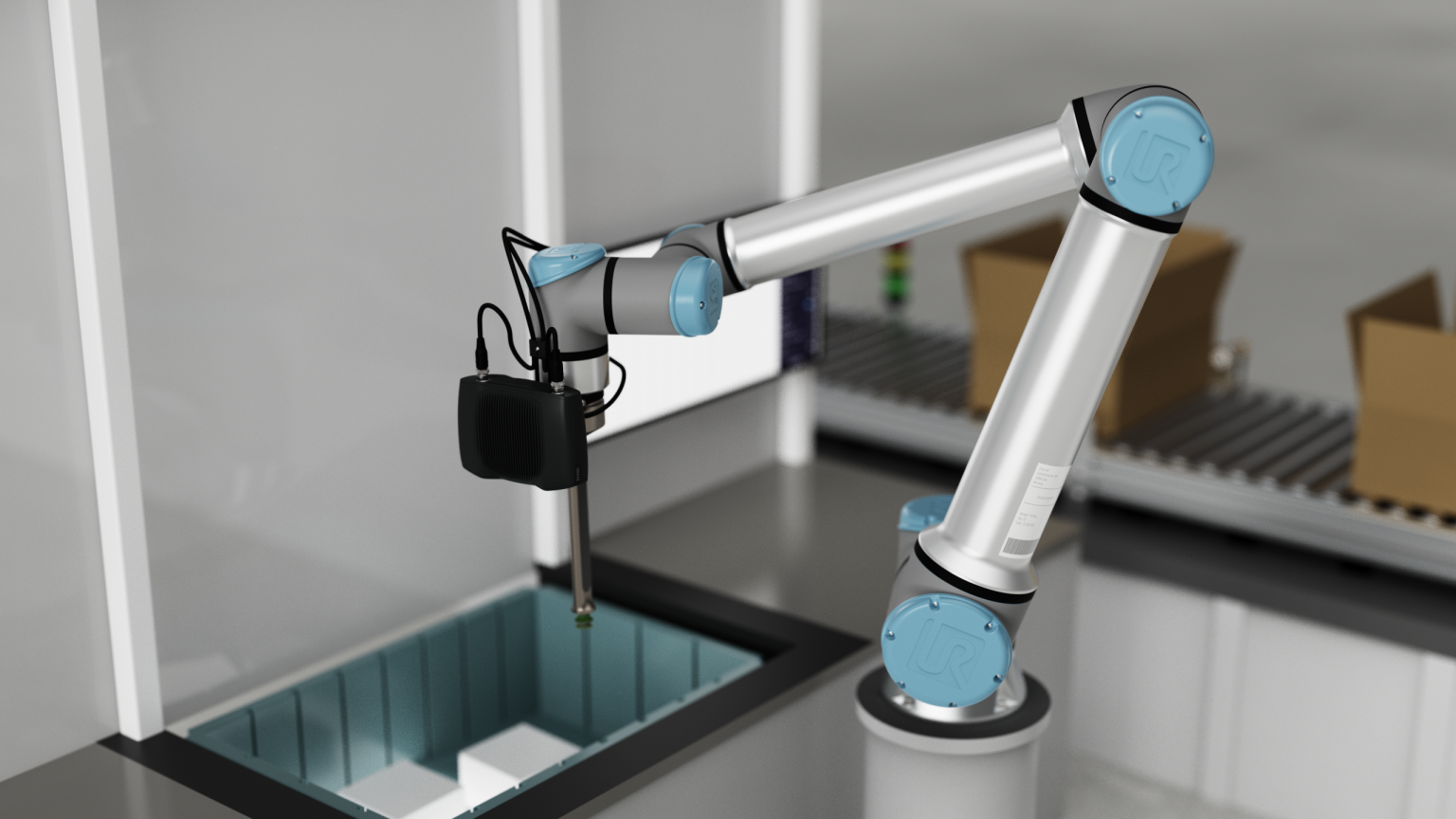
Lastly, the Maintenance section covers specific processes we advise carrying out to ensure that your piece picking cell is stable with minimum downtime.
Read the full guide
Click Next to read the Application Requirements.